Sober Riesling

Sober Riesling

¥3,080
Skip to product information
Sober Riesling

Sober Riesling

SOBR Riesling

¥3,080
Taxes included.
  • Hivinoエンジニア・いなだ

    飲まない日にも、リースリング

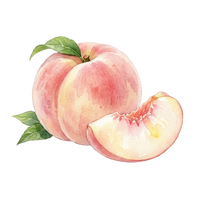
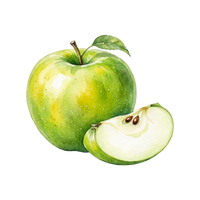
    青りんごや洋ナシの瑞々しさに、ミントの爽やかな香り。きれいな酸としっかりした果実味で、0.5%未満とは思えない飲み応えです。今日はちょっと休肝日・・・・。なんて日に餃子や生春巻きと合わせると最高です!

    Hivinoエンジニア・いなだ

Less than 0.5% ABV, but with the serious taste of a true Riesling.

Type

Non-alcoholic and low-alcoholic wines

Variety

Riesling

Vintage/Year

NV

Body

Lightbody

Capacity

750 mL

Alcohol content

Less than 0.5%

Producer

ドクター・ローゼン|Weingut Dr. Loosen

Production area

モーゼル|Mosel

Awards and Recognition

Award-winning tips

About Major Wine Awards

WA - Wine Advocate

Founded by Robert M. Parker, Jr., Wine Advocate is one of the world's leading wine rating publications. Currently, multiple expert critics evaluate wines from around the world on a 100-point scale. Wines scoring 90-95 points are rated "Outstanding," and 96-100 points are rated "Extraordinary," with high-scoring wines garnering international attention.

WS - Wine Spectator

Wine Spectator is one of America's leading wine magazines. It evaluates wines from around the world on a 100-point scale and is known for its blind tasting reviews, where producer names and prices are kept confidential. Wines scoring 90-94 points are rated "Outstanding," and 95-100 points are rated "Classic."

WE - Wine Enthusiast

Wine Enthusiast is a prominent American wine media outlet. In addition to rating wines on a 100-point scale, it provides a wide range of information on food, travel, and wine culture. It is also known for its "Best Buy" selections, which highlight wines offering an excellent balance of quality and value.

JS - James Suckling

This is a 100-point rating system by internationally renowned wine critic James Suckling. Wines scoring 90 points or more are considered "Outstanding," and those scoring 95 points or more are highly regarded. This rating is widely referenced in the global wine market.

VN - Vinous

Vinous is a global wine rating media founded by wine critic Antonio Galloni. It uses a 100-point scale, with experts providing detailed evaluations of wines from regions worldwide, including Bordeaux, Burgundy, Italy, and California.

JR - Jancis Robinson

This is a rating by Jancis Robinson, a leading British wine critic, and her team. Unlike the common 100-point system, they use a 20-point scale, where scores in the 16s are "Distinguished," in the 17s are "Superior," and 18 points or higher represent a very high rating.

DWWA - Decanter World Wine Awards

Organized by the British wine magazine 'Decanter,' this is the world's largest international wine competition. Blind tastings are conducted by experts from around the world, and awards such as Best in Show, Platinum, Gold, Silver, and Bronze are selected.

IWC - International Wine Challenge

The International Wine Challenge is a globally renowned international wine competition. Wine experts from various countries conduct blind tastings, and medals such as Gold, Silver, and Bronze are awarded. Trophies are also selected from particularly outstanding Gold-winning wines.

SAKURA - Sakura Japan Women's Wine Awards

This is an international wine competition held in Japan. Female experts active in the wine industry conduct blind tastings. Based on the concept of "wines selected by Japanese women," it is known for choosing wines that pair well with Japanese food culture and daily meals.

SAKURA: Gold

Product Overview

"When you're abstaining from alcohol, do you have to give up the essence of wine too?"

The Sober Riesling was created as the answer to this question. It's based on "Villa Rosen Mosel Riesling," crafted by Ernst Loosen. By de-alcoholizing this wine, it retains the characteristic acidity, fruitiness, and natural sweetness of Riesling while achieving an alcohol content of less than 0.5%.

In addition to winning a Gold Medal at the Sakura Award 2025, it also took first place in Nikkei Plus One's "Cheers with Non-Alcoholic Wine!" in 2025. This is a truly authentic wine-flavored beverage, crafted for wine lovers.

Flavor Profile

Details

Glossary of Wine-Making Terms and Tips

Harvesting, Sorting, and Pressing

Hand Harvesting

A method of harvesting grapes by hand, bunch by bunch. This allows for checking the condition of the grapes during harvesting, making it less likely for damaged grapes to be included.

Mechanical Harvesting

A method of harvesting grapes using specialized machinery. This allows for quick harvesting, enabling grapes of optimal ripeness to be transported to the winery swiftly.

Sorting

The process of removing unripe or damaged berries and leaves from harvested grapes. This reduces unwanted flavors in the wine and improves its quality.

Destemming

The process of removing grape berries from their stems. This helps to reduce herbaceousness and bitterness derived from the stems, making it easier to achieve a fruit-focused flavor.

Crushing

The process of lightly crushing grape berries to release their juice. This allows the juice, skins, and yeast to come into contact, facilitating the start of fermentation.

Whole Bunch

A method of using grapes with the stems intact, without removing the berries from the bunches. This adds spice and complexity to the aroma and provides structure to the flavor.

Must

Refers to grape juice, either before or during fermentation, that contains grape skins, seeds, and other solids, indicating an intermediate stage of winemaking.

Pressing

The process of applying pressure to grapes to extract juice or wine. For white wine, this is primarily done before fermentation; for red wine, it's mainly done after fermentation.

Direct Pressing

A method where harvested grapes are pressed immediately, minimizing contact time with the skins. This is used for white wines and light-colored rosé wines.

Whole Bunch Pressing

A method of pressing grapes with the stems intact. As the juice flows out gently, it's easier to obtain delicate juice with reduced bitterness and unwanted flavors.

Free-Run Juice

Juice that flows out naturally from grapes due to their weight, without strong pressure. Generally, it has less bitterness and a delicate flavor.

Press Juice

Juice extracted by pressing. It tends to have stronger color, tannins, and flavors than free-run juice.

Skin Contact and Pre-Fermentation Treatments

Skin Contact

A method of allowing grape juice to remain in contact with the skins for a certain period. This extracts aromas, colors, and umami from the skins into the juice.

Maceration

The process of allowing juice or fermenting wine to remain in contact with the skins and seeds. This extracts color, tannins, and aromas.

Cold Maceration

A method of allowing grapes to remain in contact with their skins at low temperatures before fermentation. This extracts color and fruit aromas while suppressing strong bitterness.

Extended Maceration

A method of continuing contact with skins and seeds even after fermentation. This tends to result in wines with firm tannins and complex flavors.

Carbonic Maceration

A method where whole grape bunches are placed in a tank filled with carbon dioxide, allowing fermentation to occur within the individual grape berries. This tends to produce wines with less bitterness and vibrant fruit aromas.

Semi-Carbonic Maceration

A method that utilizes the carbon dioxide naturally produced during grape fermentation. This makes it easier to achieve a balance between fruitiness and moderate structure.

Saignée Method

A method of producing rosé wine by bleeding off a portion of the juice during red wine fermentation. This tends to result in rosé wines with relatively darker color and richer fruit flavors.

Débourbage

The process of allowing white wine juice to settle before fermentation, allowing solid particles such as skins and seeds to precipitate and be removed. This makes it easier to express pure fruit aromas.

Fermentation

Alcoholic Fermentation

The process by which yeast converts grape sugars into alcohol and carbon dioxide. Various aromas that make up the wine are also created during this process.

Spontaneous Fermentation

A method of initiating fermentation using yeasts naturally present on the grapes or in the winery, without adding cultured yeast. While this can create complex aromas, it can also make management more challenging.

Indigenous Yeast

Yeast naturally present on grape skins, in the vineyard, or in the winery. It is sometimes referred to as "natural yeast" or "wild yeast."

Cultured Yeast

Yeast selected after confirming its fermentation characteristics and stability. This makes fermentation easier to manage and allows for the expression of a desired style.

Cool Fermentation

A method of fermenting slowly at relatively low temperatures. This is done to preserve the fresh fruit aromas of white and rosé wines.

Temperature-Controlled Fermentation

A method of adjusting fermentation temperature using equipment. This preserves aromas and ensures a stable environment for yeast activity.

Co-fermentation

A method of fermenting multiple grape varieties together from the start, without blending. This allows the characteristics of each variety to integrate at an early stage.

Chaptalization

A method of adding sugar to the juice before fermentation to adjust the alcohol content after fermentation. The primary goal is not to make the finished wine sweet.

Acidification

A method of adding acid to juice or wine to adjust its flavor and stability. This is done in warmer regions where grape acidity tends to be low.

Deacidification

A method of reducing the acidity of juice or wine to soften excessively sharp acidity. This can be done in cool regions where acidity is high.

Fermentation Arrest

A method of stopping yeast activity before all the sugar has fermented, by cooling, filtering, or adding alcohol. This is used for sweet wines, among others.

Residual Sugar

The sugar remaining in the wine after fermentation. Higher values tend to result in sweeter wines, but the perception of sweetness also depends on the balance with acidity.

Fermentation and Aging Vessels

Stainless Steel Tank

A vessel that imparts minimal aroma or flavor and allows for precise temperature control. This makes it easier to express the fresh fruitiness inherent in the grapes.

Oak Barrel

A fermentation and aging vessel made of oak wood. Gentle contact with oxygen mellows the flavor, and aromas such as vanilla and toast can be added.

New Oak Barrel

A barrel used for wine for the first time. Oak-derived aromas such as vanilla, toast, and spice are likely to emerge.

Used Oak Barrel

A barrel previously used for wine fermentation or aging. It imparts less strong woody aroma and refines the wine's texture through gentle contact with oxygen.

Large Cask

A wooden vessel with a larger capacity than a typical small barrel. It allows for gentle aging of wine while suppressing strong oak flavors.

Barrique

Generally, a small oak barrel of approximately 225-228 liters. The proportion of wine in contact with the wood is large, and the influence of the barrel tends to be more pronounced.

Foudre

A large wooden aging vessel with a capacity of several thousand liters. It promotes gentle contact with oxygen without imparting strong woody aromas.

Concrete Tank

A fermentation and aging vessel made of concrete. It maintains stable temperatures and imparts a soft texture to the wine without adding oak aromas.

Concrete Egg

An egg-shaped concrete vessel. Natural convection currents are easily generated within, which is said to impart a smooth texture and integration to the wine.

Amphora

A jar-shaped fermentation and aging vessel made of clay or similar materials. It promotes gentle contact with oxygen without imparting woody aromas.

Qvevri

An egg-shaped clay vessel traditionally used in Georgia. It can be buried underground for both fermentation and aging.

Extraction During Fermentation

Cap

The layer of grape skins and seeds that floats to the surface of the liquid during fermentation due to carbon dioxide. To prevent drying and microbial growth, it is regularly brought into contact with the juice.

Remontage (Pump Over)

The process of pumping juice from the bottom of the tank and pouring it over the cap. This extracts color, aroma, and tannins while maintaining even fermentation.

Pigeage (Punch Down)

The process of pushing the cap that has floated to the surface down into the juice with a pole or tool. This allows for relatively gentle extraction of color and tannins.

Délestage (Rack and Return)

A method of transferring the fermenting juice to another tank and then returning it over the remaining skins. This efficiently extracts components from the grape skins.

Extraction

The process of drawing color, tannins, aromas, and other components from grape skins and seeds into the wine. The intensity of extraction varies with temperature, duration, and agitation method.

Post-Fermentation and Aging

Malolactic Fermentation (MLF)

The process of converting sharp malic acid into milder lactic acid. This softens the acidity and can create a creamy texture.

Partial Malolactic Fermentation

A method where malolactic fermentation is performed on only a portion of the wine. This allows for balancing fresh acidity with a soft texture.

Barrel Fermentation

A method of conducting alcoholic fermentation in oak barrels. This allows fruit flavors and oak-derived notes to integrate at an early stage, often leading to complex flavors.

Tank Aging

A method of aging wine in tanks made of stainless steel or concrete. This helps preserve the fruit's freshness and the varietal's inherent aromas.

Barrel Aging

A method of aging wine in wooden barrels. Gentle contact with oxygen mellows the flavor, and oak-derived aromas are added.

New Oak Percentage

The proportion of new barrels among all barrels used for aging. A higher percentage tends to result in stronger oak-derived aromas.

French Oak

Oak wood from France. It generally tends to impart delicate vanilla and spice notes, and fine-grained tannins.

American Oak

Oak wood from America. It generally tends to impart relatively distinct aromas such as coconut and sweet vanilla.

Barrel Toasting

The process of charring the inside of barrels with fire. The degree of toasting affects how aromas such as vanilla, toast, coffee, and smoke are expressed.

Lees Aging

A method of aging wine with the lees (spent yeast and other sediment) remaining after fermentation. This adds umami, complex aromas, and a smooth texture to the wine.

Sur Lie

A method of aging wine in contact with its lees after fermentation. This adds umami and body, and can create aromas of bread and nuts.

Bâtonnage (Lees Stirring)

The process of stirring the lees that have settled in aging wine. This adds body, umami, and a creamy texture to the wine.

Oenillage (Topping Up)

The process of refilling barrels with wine to compensate for evaporation during barrel aging, ensuring the barrel remains full. This is done to prevent excessive oxidation.

Racking

The process of transferring the clear wine from the settled lees at the bottom of a tank or barrel to another vessel. This clarifies the wine and refines its aroma and flavor.

Micro-oxygenation

A method of intentionally introducing very small amounts of oxygen to the wine. This is done to soften tannins and integrate flavors.

Oxidative Aging

A method of aging wine in controlled contact with a certain amount of oxygen. This tends to create aromas of nuts, dried fruits, and caramel.

Reductive Aging

A method of aging wine with minimal contact with oxygen. This helps preserve fresh fruit aromas and vibrant colors.

Assemblage (Blending)

The process of combining wines from different grape varieties, vineyards, vintages, or aging vessels. This balances flavors and creates the winemaker's distinct style.

Reserve Wine

Wine made in previous vintages and stored. It is used to create stability and complexity in the flavor.

Clarification, Filtration, and Stabilization

Fining

The process of removing haziness and unwanted components from wine to improve its clarity and stability.

Fining Agent

Substances used to adsorb fine components in wine and cause them to precipitate. These include bentonite, egg whites, and plant-derived proteins.

Unfined

Wine finished without the use of fining agents. While this method tends to preserve more components, it can also lead to sediment and cloudiness.

Filtration

A process of removing yeast and fine solids by passing wine through a filter. This enhances the wine's clarity and microbial stability.

Unfiltered

Wine finished without filtration or with minimal filtration. Sediment or cloudiness may be visible at the bottom of the bottle.

Tartrates

Crystallized tartaric acid and other components found in wine. They are harmless and do not indicate a fault in the wine's quality.

Protein stabilization

A process of removing proteins that could cause future cloudiness. This is mainly done for white wines.

Sulfur dioxide addition

The addition of sulfites to protect wine from oxidation and microbial spoilage. It plays a crucial role in stable preservation.

No added sulfites

Indicates that no sulfites were added during winemaking. However, sulfites can naturally be produced during fermentation.

Inert gas sparging

A method of replacing oxygen in tanks or bottles with inert gases like nitrogen or carbon dioxide. This is done to prevent wine oxidation.

Sparkling Wine

Base wine

The still wine that forms the foundation of sparkling wine. It may be a blend of multiple grape varieties or vintages.

Traditional method (Méthode Champenoise)

A method where base wine is bottled and undergoes a second fermentation in the bottle, trapping carbon dioxide. This tends to create finer bubbles.

Traditional method

A production method where, after secondary fermentation in the bottle, the wine is aged on its lees in the same bottle. Champagne, Cava, and Franciacorta are typical examples.

Tirage

The process of adding yeast and sugar to the base wine before bottling to initiate secondary fermentation in the bottle.

Aging on lees

The process of aging wine on yeast lees after secondary fermentation in the bottle. This imparts brioche and toast aromas and a smooth mousse.

Riddling (Remuage)

The process of gradually rotating and tilting bottles to collect the yeast sediment in the neck of the bottle.

Disgorgement (Dégorgement)

The process of removing the collected sediment from the neck of the bottle. The timing of this process can influence the subsequent aging and flavor profile.

Dosage

The process of adding a liqueur containing wine and sugar after disgorgement. This adjusts the final sweetness and balances the flavor.

Non-dosé

Sparkling wine finished without adding sugar during dosage. This style tends to clearly express the natural acidity and dry character of the grapes.

Brut Nature

An extremely dry sparkling wine with very low residual sugar. This style often highlights acidity and minerality.

Extra Brut

A dry classification with less residual sugar than Brut. This tends to result in a tauter flavor profile.

Brut

The most common sweetness classification for dry sparkling wine. Even within the same classification, the perception of sweetness can vary with acidity.

Charmat method (Tank method)

A production method where secondary fermentation occurs in sealed large tanks. This helps to preserve the fresh and aromatic qualities of the grapes.

Transfer method

A production method where wine, after secondary fermentation in bottles, is transferred to tanks, separated from lees, and then re-bottled.

Ancestral method

A traditional production method where wine, while still fermenting, is bottled to complete fermentation in the bottle. Also used for Pét-Nat.

Pét-Nat

Naturally sparkling wine often made using the Ancestral method. It may be sold with its lees remaining in the bottle.

Carbonation method

A method where carbon dioxide gas is injected into finished wine to create bubbles. This is used for fresh and approachable sparkling wines.

Sweet Wines, Fortified Wines, and Special Production Methods

Late Harvest

A method using grapes harvested later than usual, resulting in higher sugar content and more concentrated flavors. This leads to rich fruitiness and sweetness.

Botrytized grapes

Grapes where moisture has evaporated due to the action of noble rot (Botrytis cinerea), concentrating sugars and aromas. This produces complex sweet wines reminiscent of honey and apricot.

Passerillage (Straw wine method)

A method of drying harvested grapes in a well-ventilated area to reduce moisture. This allows for the production of wines with concentrated sugar and flavor.

Ice wine (Eiswein)

A method of pressing juice from grapes that have naturally frozen on the vine, concentrating the sugar. This produces sweet wines with high acidity.

Fortification

A method of adding distilled spirits to wine before or during fermentation to increase its alcohol content. This can result in various styles, from sweet to dry.

Mutage

A method of stopping fermentation by adding alcohol during the process, leaving residual sugar from the grapes. This is used for sweet fortified wines and similar styles.

Flor aging

A method of aging wine under a film of yeast (flor) that forms on the surface. This produces unique flavors reminiscent of nuts, bread dough, and salinity.

Solera system

A method of aging and blending wines of different ages by progressively transferring them between barrels. The aim is to maintain consistent quality and style.

Bottling

Bottling

The process of filling finished wine into bottles. Strict control of hygiene and oxygen contact is maintained to prevent oxidation and microbial contamination.

Estate Bottled

A designation indicating that the wine was bottled by the producer who also cultivated the grapes and made the wine.

Natural cork

A stopper made from the bark of the cork oak tree. It is widely used for wines intended for long-term aging.

Synthetic cork

A stopper made from synthetic materials such as plastic. It helps to avoid the risk of cork taint and provides a consistent seal.

Screw cap

A metal cap used to seal bottles. It eliminates the risk of cork taint and helps preserve the wine's fresh aromas.

Bottle aging

The process of aging wine in bottles after bottling, until it is released or consumed. Over time, its aromas and flavors become more complex.

Product Details

Wine-style beverage made with dealcoholized white wine from 100% Riesling grapes. Blue slate soil, 30-40 year old vines. Fermented in stainless steel tanks.

Frequently Asked Questions

ノンアルコールワインと脱アルコールワインは何が違うのですか?

「脱アルコール」は製法、「ノンアルコール」は結果を指す言葉です。脱アルコールワインは、一度ふつうにワインを造ってから後の工程でアルコールだけを取り除いたもので、ブドウの発酵に由来する香りや複雑さが残りやすいとされています。一方ノンアルコールワインはより広い総称で、脱アルコールワインのほか、ブドウ果汁に酸味や香りを加えて造る「ワインテイスト飲料」も含まれます。ワインらしい味わいを求める場合は、脱アルコールで造られたものをお選びください。

ノンアルコールワインのアルコール度数は0%ですか?

商品によって異なります。日本の酒税法ではアルコール分1%未満は酒類に当たらないため、0.5%程度を含む海外の「アルコールフリー」ワインも、日本では酒類ではない飲料として販売されています。完全に0を求める場合は、「アルコール分0.00%」と明記された商品をお選びください。表示は商品ページに記載しています。

脱アルコールワインはどうやってアルコールを抜いているのですか?

主に3つの方法があります。低い温度で蒸発させる「減圧蒸留」、遠心力で香り成分を先に取り出してからアルコールを除き、香りを戻す「スピニングコーン」、そして膜でアルコールと水分を分離する「逆浸透膜」です。いずれも熱によるダメージを抑えることが目的で、どの製法を使うかによって、仕上がりの香りの残り方が変わります。

妊娠中・授乳中や、車を運転する日に飲んでも大丈夫ですか?

アルコール分0.00%と明記された商品以外は、微量のアルコールを含みます。運転される日や、妊娠中・授乳中の方、体質的にアルコールを受けつけない方は、必ず度数表示をご確認のうえ0.00%の商品をお選びください。ご不安がある場合は、かかりつけの医師にご相談いただくことをおすすめします。

ノンアルコールワインの飲み頃の温度は?

白・スパークリングタイプは6〜10℃、赤タイプは12〜14℃が目安です。アルコールがないぶん甘みを強く感じやすいため、通常のワインよりやや低めの温度でお楽しみいただくと、味わいが引き締まります。

ノンアルコールワインは開けた後、どのくらい飲めますか?

抜栓から1週間以内を目処にお飲みいただき、開栓後は必ず冷蔵庫で保管してください。

ノンアルコールワインに合う料理は?

甘みがはっきりしたタイプが多いため、スパイスを使ったエスニック料理や中華、揚げ物とよく合います。スパークリングタイプは食前の一杯や、フルーツを使ったデザートにもおすすめです。

Producer

Production Area

You might also like